01
ACCELERATED WEATHERING LAB
Xenon Arc Weathering Testing Services
ASTM G155 · ASTM D6695 · ISO 4892-2 · SAE J1960 / J2527
FULL-SPECTRUM SUNLIGHT, TEMPERATURE, HUMIDITY & WATER SPRAY SIMULATION

FULL SPECTRUM
STATUS
340 nm
BPT 63°–100°C
ASTM / ISO / SAE
OPERATIONAL
XENON LAB SPECS
Full Spectrum
UV, VISIBLE &
INFRARED SIMULATION
63°C to 100°C
BLACK PANEL
TEMPERATURE (BPT)
ASTM & ISO
SAE & OEM
STANDARDS COMPLIANT
02
FULL-SPECTRUM SUNLIGHT SIMULATION
Xenon Arc Weathering Test
In today’s global marketplace, products are exposed to a wide range of environmental conditions. Whether it’s automotive parts, construction materials, textiles, or packaging, understanding how a product will endure the effects of sunlight, moisture, and temperature over time is essential. This is where accelerated weathering tests, particularly the Xenon Arc Weathering Test, play a critical role.The Xenon Arc Weathering Test is a laboratory method used to simulate the damaging effects of full-spectrum sunlight and environmental stressors on materials over a short period. By replicating years of sunlight exposure in just weeks or months, this test enables manufacturers to predict product lifespan, ensure quality control, and meet regulatory compliance requirements.Xenon Arc Weathering refers to the use of a xenon arc lamp in a controlled testing environment to replicate the full spectrum of sunlight, including ultraviolet (UV), visible, and infrared radiation. This test is conducted using specialized equipment that allows precise control of exposure parameters such as light intensity, temperature, humidity, and water spray.Unlike UV fluorescent tests (like UV-A and UV-B testing), the Xenon Arc method simulates natural sunlight more closely, making it ideal for testing materials that are used outdoors or exposed to indoor light through windows.
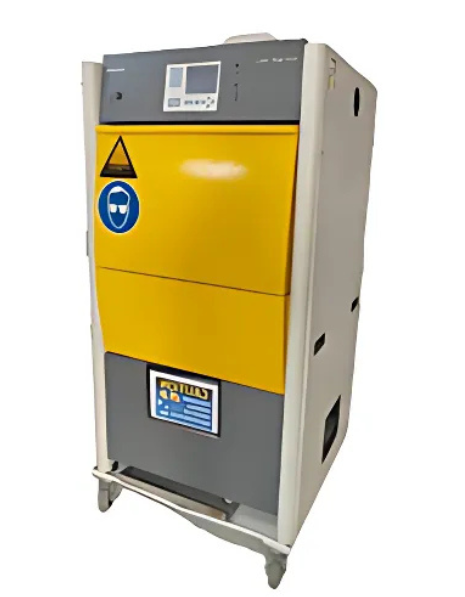
Weathering can degrade materials in multiple ways:
- Fading or discoloration of pigments and dyes
- Loss of mechanical strength
- Cracking, embrittlement, or chalking
- Degradation of surface coatings or finishes
- Material delamination or warping
03
PARAMETERS & ADVANTAGES
Key Parameters in Xenon Arc Testing
LIGHT & THERMAL CONTROLS
Irradiance & Temperature
Irradiance (Light Intensity): Measured in W/m² at a specific wavelength (typically 340 nm), irradiance must be controlled and monitored to ensure consistent exposure. Common levels include 0.35, 0.55, or 1.10 W/m²/nm.Temperature:— Black Panel Temperature (BPT) simulates surface heating by sunlight.— Chamber Air Temperature (CAT) represents ambient conditions.— Typical BPT ranges: 63°C to 100°C depending on the standard.
MOISTURE & EXPOSURE
Humidity, Water Spray & Duration
Humidity: Relative humidity inside the chamber mimics natural day/night moisture variations. High humidity can accelerate hydrolysis and other degradation mechanisms.Water Spray: Water spray or condensation is used to simulate dew and rain, especially in outdoor conditions. This accelerates phenomena such as corrosion, blistering, and cracking.Duration and Exposure Time:— Short-term screening: 300–500 hours— Outdoor simulation: 1000–2000 hours— Long-term qualification: 3000+ hoursExposure time must be balanced to avoid over-testing, which can induce unrealistic failure modes.
CORE BENEFITS
Advantages of Xenon Arc Weathering Test
— Full-spectrum sunlight simulation – Includes UV, visible, and infrared for realistic results.— Accelerated testing – Reduces product development time.— Customizable parameters – Allows simulation of a variety of climates and conditions.— Versatility – Applicable to almost any non-metallic material.
POST-TEST ANALYSIS
Results Evaluation Criteria
Results from Xenon Arc Testing are typically evaluated using:— Visual Inspection – Fading, cracking, chalking, or discoloration.— Color Change Measurement – Using ΔE values (color difference).— Gloss and Surface Texture Analysis— Mechanical Testing – Tensile strength, elongation, hardness, etc.— Microscopic Examination – For surface degradation.Results should be benchmarked against control samples or known standards to determine pass/fail criteria.
COMMON TESTING STANDARDS FOR XENON ARC WEATHERING:
ASTM G155
ASTM D6695
ISO 4892-2
SAE J1960 / J2527 – FOR AUTOMOTIVE INTERIOR AND EXTERIOR MATERIALS
OTHER OEM SPECIFICATIONS – TAILORED PROCEDURES BASED ON INDUSTRY AND REGION
GLOSS AND SURFACE TEXTURE ANALYSIS
04
APPLICATIONS
Applications of Xenon Arc Weathering Test
AUTOMOTIVE
Automotive
Testing interior and exterior components for sunlight resistance and weatherability
CONSTRUCTION
Construction & Building Materials
Validating long-term durability of architectural panels, siding, and roofing elements
POLYMERS
Plastics and Polymers
Assessing resistance to polymer degradation, embrittlement, and molecular breakdown
FABRICS & TEXTILES
Textiles
For curtains, upholstery, car seats, and outdoor garments. Tests colour fading, strength, and appearance
SURFACE FINISHES
Coatings and Paints
Evaluating gloss retention, chalking resistance, and colorfastness under accelerated light
PACKAGING
Packaging
Ensuring barrier integrity and visual appeal of consumer packaging exposed to light
05
RELATED PRODUCTS
Related Products
Discover complementary equipment for your testing needs. Optimized for accuracy, efficiency, and compliance.


06
GET IN TOUCH