Vibration & Environmental Testing of Electric Vehicle Parts: Ensuring Reliability in the EV Era
As electric vehicles continue to transform the
automotive landscape, the expectations placed on their
components have never been higher. From high-voltage
battery packs to power electronics and lightweight
structural parts, EV systems must operate safely and
reliably under a wide range of environmental and
mechanical stress conditions. This is where vibration and
environmental testing becomes essential.
In the EV industry, testing isn’t just a regulatory
requirement—it’s a crucial step in guaranteeing safety,
longevity, and performance in real-world driving
conditions
Why vibration and Environmental testing Is Critical for EV
Components
Unlike internal combustion engine (ICE) vehicles, EVs
introduce new challenges:
- Higher continuous vibration loads from electric
motors and reduced damping in lightweight
chassis.
- Thermal sensitivity of high-voltage systems and
lithium-ion batteries
- Moisture, dust, and chemical exposure that can
affect electronic components.
- Fast-charging cycles and regenerative braking that
generate temperature swings and mechanical
strain.
testing helps manufacturers identify weaknesses early,
prevent field failures, and achieve compliance with
automotive standards such as ISO 16750, SAE J2380, IEC
60068, and UN/ECE R100.
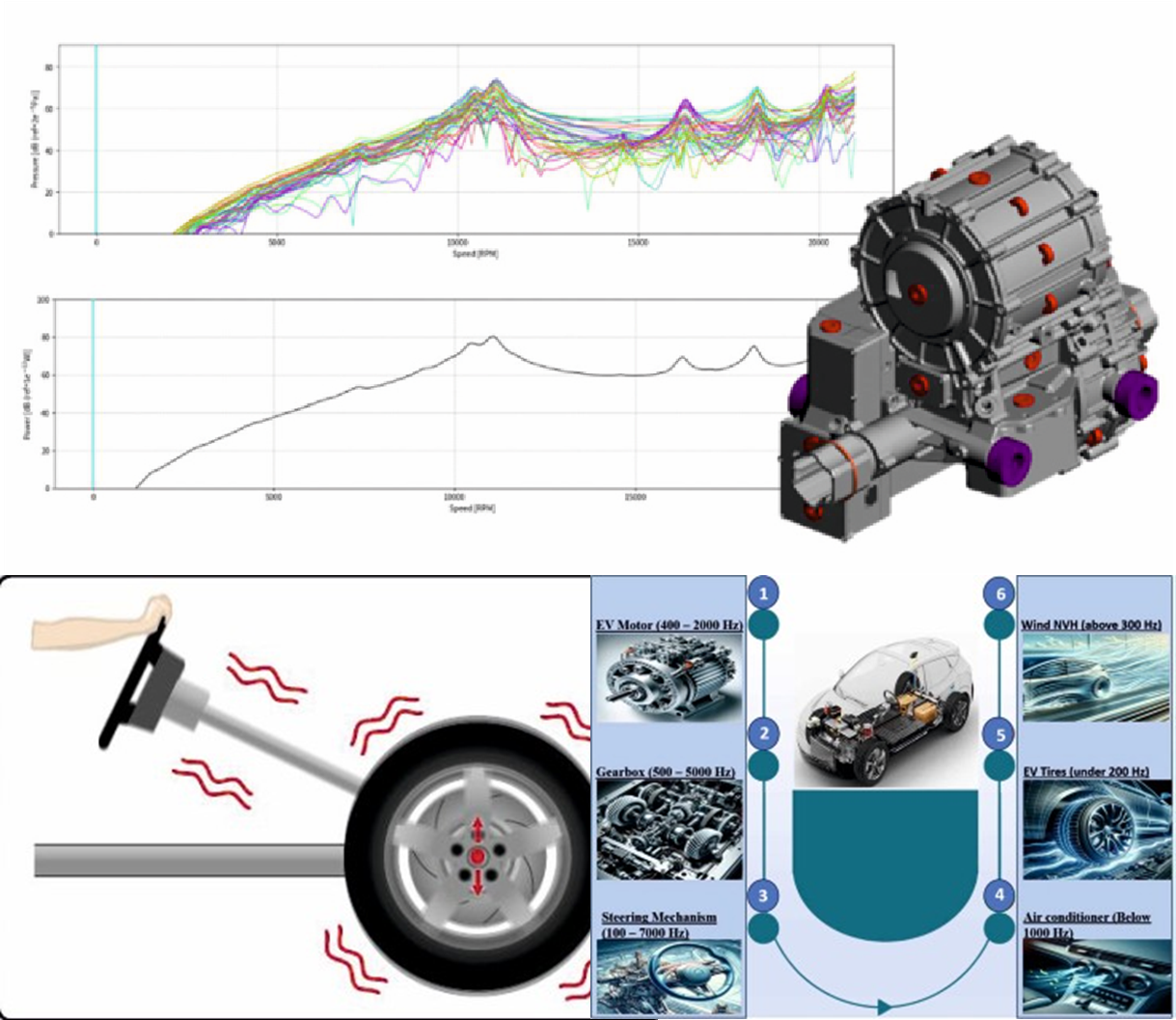
1. vibration testing: Simulating Real-World Driving Force
EV components experience a wide frequency range of
vibration from road surfaces, drivetrain systems, and
vehicle dynamics. vibration testing re-creates these forces
to evaluate:
- Fatigue and durability
- Mechanical resonance behavior
- Structural integrity under random and sinusoidal
vibration
- Connection stability, solder joint reliability, and
wiring robustness
Common vibration tests for EV parts
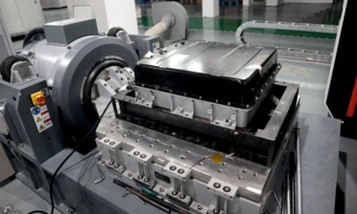
- Random vibration Testing
Mirrors real-life conditions such as gravel roads,
potholes, and highway driving.
- Sine Sweep Tests Identifies resonance frequencies that may cause
premature failure.
- Shock Testing Simulates impacts and sudden load changes—for
example, curb strikes or emergency braking.
Components commonly tested
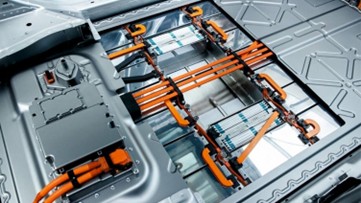
- Battery modules & packs
- ECU, MCU, Clusters
- Inverters and converters
- Electric motors & controllers
- Autonomous driving sensors
- Charging system connectors
- HVAC components
BMS (Battery Management System) electronics
Thorough vibration testing ensures that critical parts
2. Environmental Testing: Exposing EV Parts to the Elements
Environmental testing determines how components
perform under harsh or extreme conditions, helping
manufacturers ensure dependability across global climates.
Key environmental tests
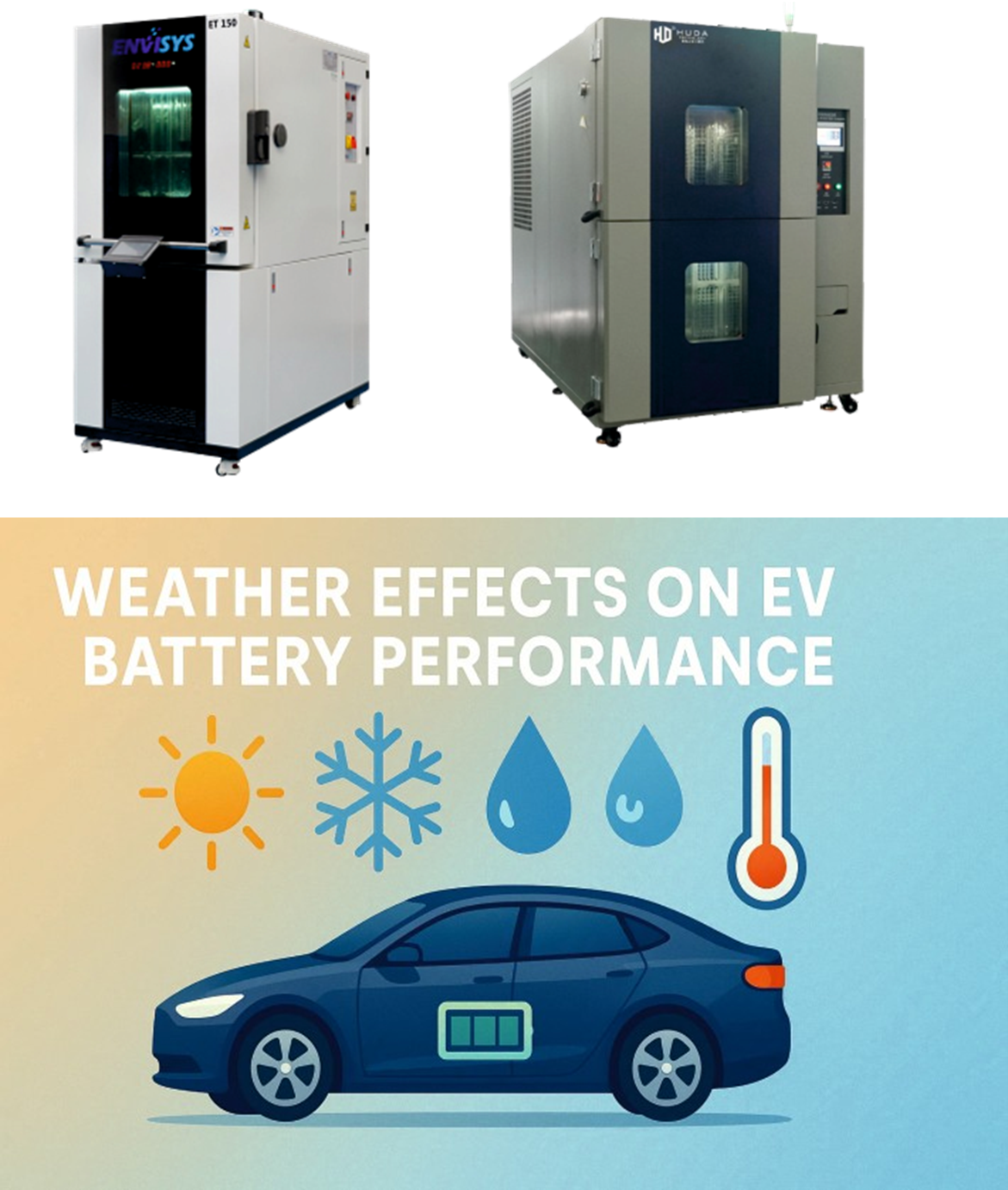
Temperature & Thermal Cycling
Simulates exposure to both hot and cold conditions:
-
- High-temperature operation
- Extreme cold starts
- Rapid thermal transitions (e.g., going from indoor
garages to winter roads)
This is essential for batteries and power electronics, which
can degrade quickly under thermal stress.
Humidity & Corrosion Testing
High humidity and temperature cycles can affect:
-
- Electrical insulation
- Coatings and seals
- Connectors and wiring
Salt-fog and corrosion tests also simulate coastal
environments and road salt exposure.
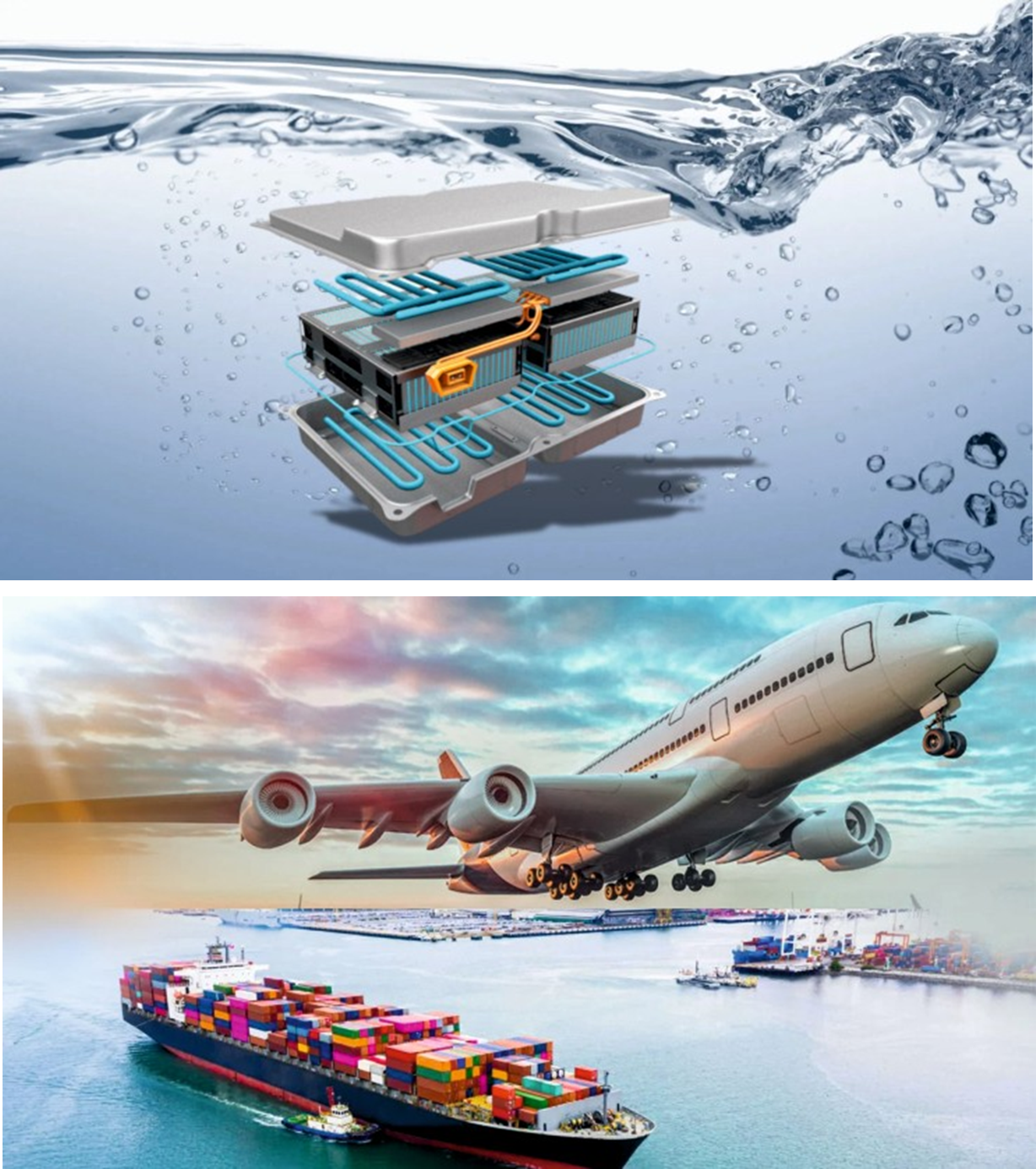
Ingress Protection (IP) Testing
Ensures EV components are safeguarded from:
-
- Water spray, immersion, or flooding
- Dust, sand, and debris
Typical EV targets include IP67 or IP69K ratings for
battery casings and connectors
Chemical Exposure
Evaluates resistance to fluids such as:
-
- Coolants
- Brake fluids
- Battery electrolytes
- Road cleaning agents
Typical EV targets include IP67 or IP69K
ratings for battery casings and connectors.
Battery Nail Penetration Testing
Assesses how components behave in:
- Physical Abusive conditions
- Impact with sharp objects
- Battery electrolytes
Chemical Exposure
Evaluates resistance to fluids such as:
- Coolants
- Brake fluids
- Battery electrolytes
- Road cleaning agents
3. Testing EV Batteries: The Most Critical Components
Battery packs face some of the harshest testing standards
due to their high energy density. testing includes:
-
- vibration and shock durability
- Thermal runaway resistance
- Thermal cycling and aging
- Drop, crush, and mechanical integrity
- Moisture and ingress protection
- Overcharge and short-circuit robustness
A failure in battery performance is not just
inconvenient—it can be dangerous. Rigorous testing
ensures that batteries remain safe even under severe
conditions.
4. Benefits of Comprehensive vibration & Environmental
testing
-
- Improved safety and compliance with global
regulations
- Reduced warranty claims and field failures
- Enhanced product lifetime and reliability
- Beer customer satisfaction and brand trust
- Optimized design and material selection
In the competitive EV market, robust testing is not
optional—it’s a strategic advantage.
Tests done at ATS Test Labs
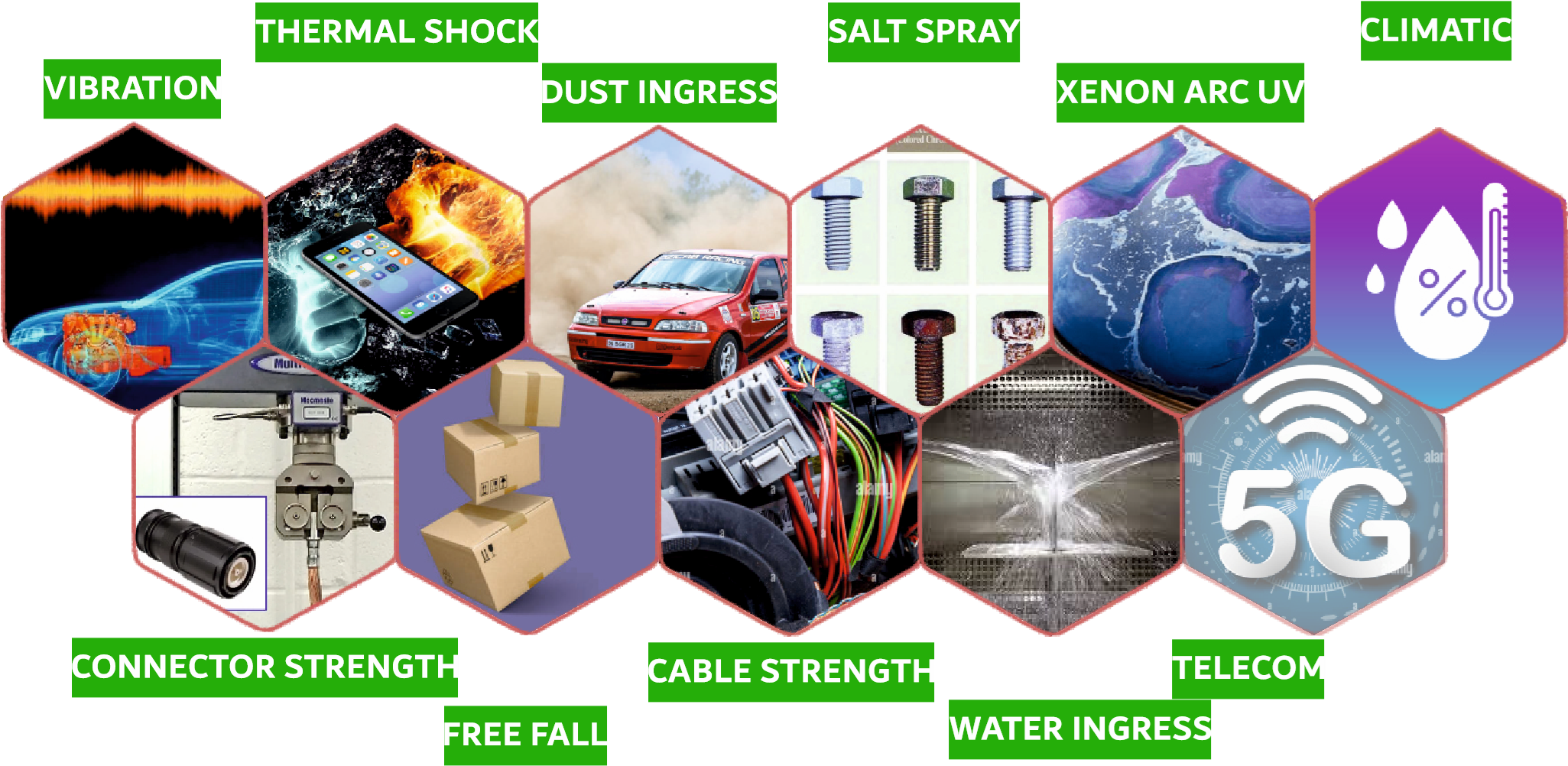
At Aanchal Techno Solutions, we are a one stop solution for a wide range of your requirements of Dynamic,
Mechanical, Environmental and telecom tests.

No Comments yet!